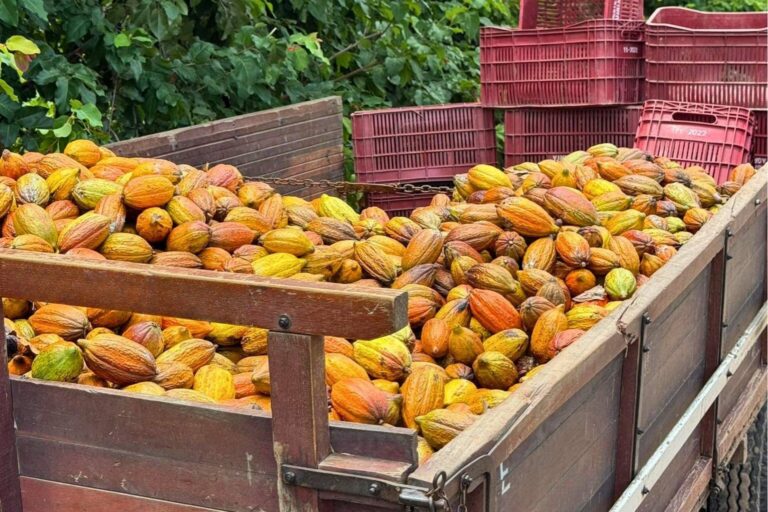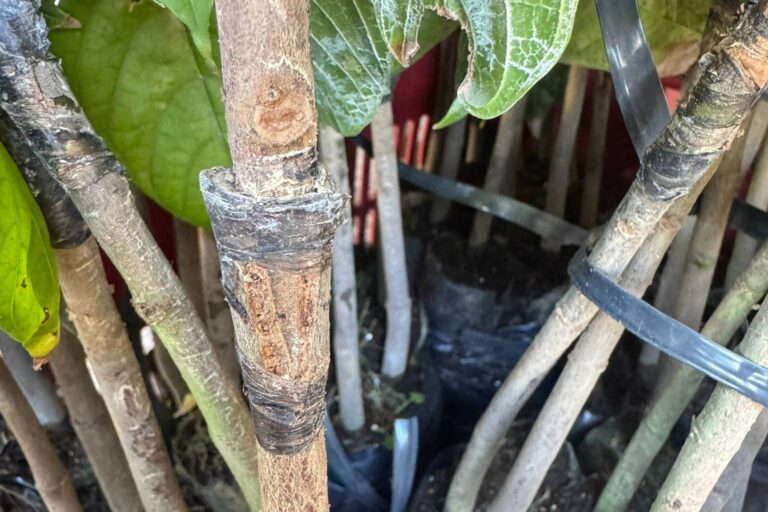


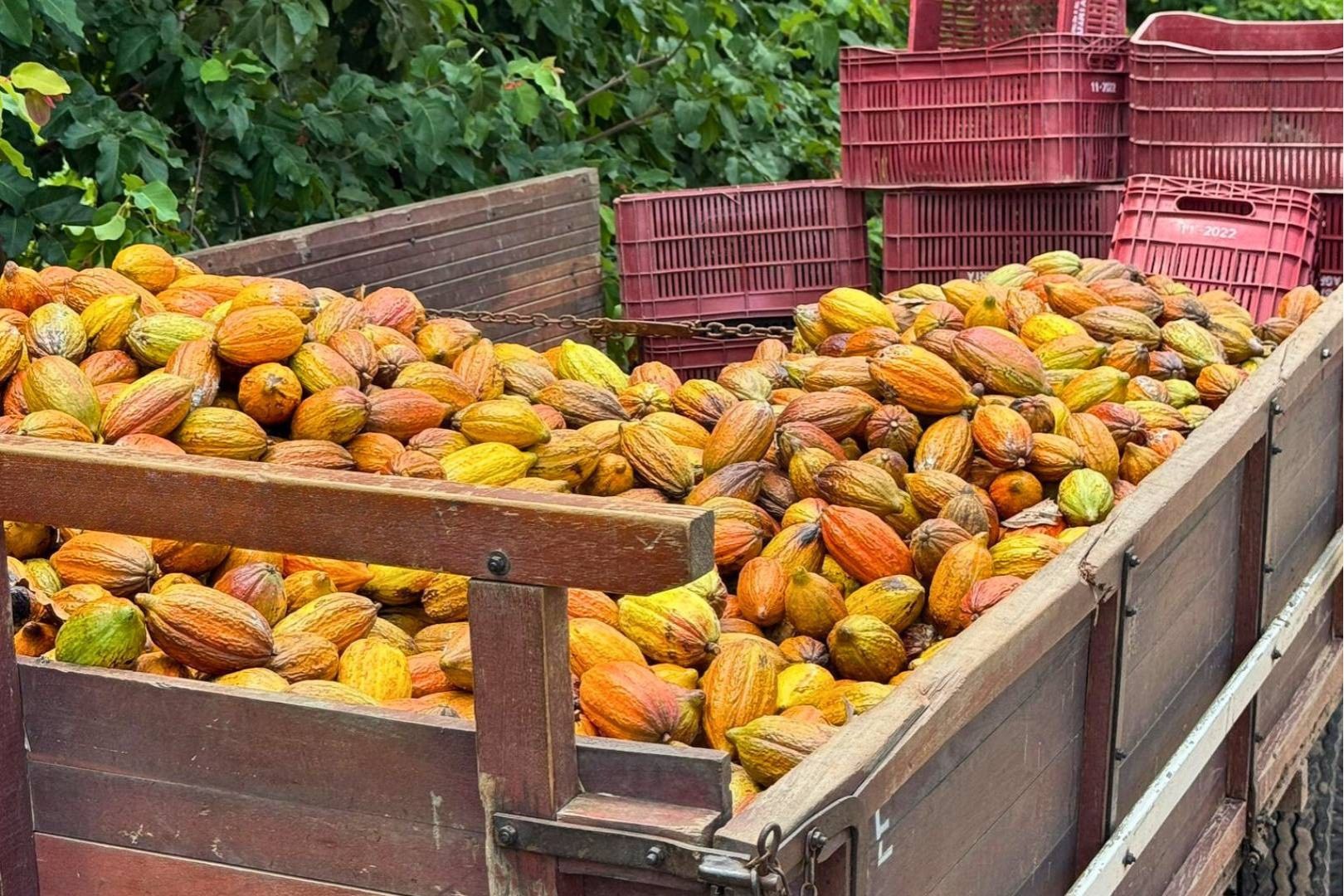
Consumers today are asking more questions about where their food comes from and how it is produced. In the chocolate industry, one question has become increasingly important: Is this cocoa ethically sourced?
Ethically sourced cocoa goes beyond the quality of the final product. It considers how cacao, the chocolate plant, is grown, how workers are treated, how natural resources are managed, and whether farming practices can remain productive for generations to come. As the global cocoa industry faces challenges ranging from climate change to supply shortages, sustainable and ethical production has never been more important.
In this article, you will learn:
- What ethically sourced cocoa means
- Why sustainability and worker well-being are essential to modern cacao production
- How technology is helping farmers produce more cacao with fewer resources
- Why climate resilience matters for the future of chocolate
- How Peirot is applying these principles in the semi-arid region of Bahia, Brazil
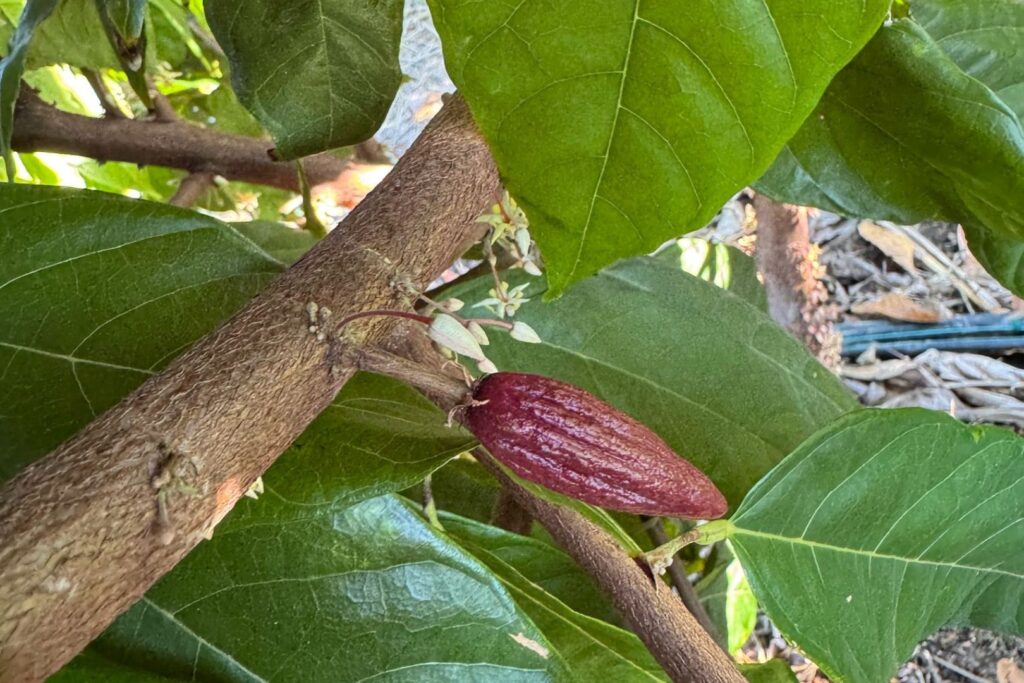
What Is Ethically Sourced Cocoa?
Ethically sourced cocoa refers to cocoa that is produced in a way that respects people, communities, and the environment. While definitions may vary, ethical cocoa production typically includes fair treatment of workers, safe working conditions, responsible environmental stewardship, and long-term economic sustainability.
The goal is simple: produce high-quality cocoa while ensuring that the people who grow it and the ecosystems that support it can thrive.
For consumers, ethically sourced cocoa offers confidence that their purchase supports responsible agricultural practices. For producers, it creates a framework for building resilient operations that can continue to succeed in a changing world.
The Human Side of Sustainable Cocoa Production
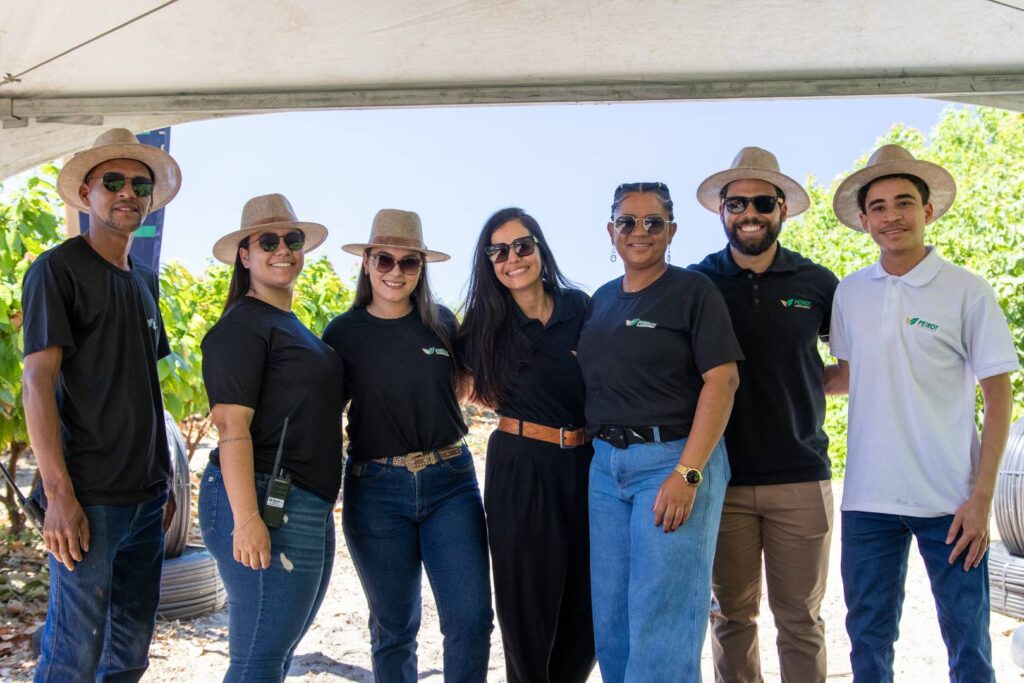
Behind every cocoa product is a team of people whose work begins long before chocolate reaches store shelves.
Ethical cocoa production starts with creating a safe and supportive environment for those workers. This includes providing appropriate equipment, promoting workplace safety, investing in education, training, and creating opportunities for long-term professional development.
At Peirot, people are at the center of everything we do. Our team includes agricultural professionals, equipment operators, field workers, and local families who contribute to every stage of cacao production. By investing in our people, we create our most valuable asset, a stronger operation and a stronger community.
Sustainable agriculture is not only about protecting natural resources. It is also about creating meaningful opportunities for the people who depend on agriculture for their livelihoods.
Protecting the Environment Through Responsible Cocoa Farming
Environmental stewardship is another key component of ethically sourced cocoa. Responsible cacao farming requires careful management of water, soil, energy, chemicals and biodiversity. The goal is to maximize productivity while minimizing unnecessary environmental impact.
Sustainable farming is particularly important as climate change continues to affect agricultural regions around the world. Weather patterns are becoming less predictable, and many traditional cocoa-growing regions are facing new challenges.
While some cocoa-producing areas have experienced improved weather conditions in recent years, the broader trend remains clear: building resilient agricultural systems is essential for the future of the industry. The rising concerns around the El Niño weather pattern and its impact on small cacao holds in Africa in 2026 shows how quickly the winds can shift – quite literally.
At Peirot, our smart irrigation systems ensure our plants have the right amount of water, even with changing weather patterns.
Ethically sourced cocoa helps support that resilience by encouraging practices that protect natural resources, strengthen farming communities, and improve long-term farm productivity.

How Technology Is Transforming Cacao Farming
Modern cocoa production increasingly relies on technology to improve both sustainability and efficiency.
Advances in precision agriculture allow farmers to monitor growing conditions in real time and make informed decisions based on data rather than guesswork. This can improve plant health, optimize resource use, and support higher yields.
Technology can be used to monitor soil conditions, track weather patterns, manage irrigation systems, and evaluate plant performance across large areas. These tools help farmers respond quickly to changing conditions while reducing waste.
At Peirot, technology plays an important role in our operations. Distributed monitoring devices collect data from throughout the farm, while precision irrigation systems help ensure that water is delivered where it is needed most. Solar-powered infrastructure supports both farm operations and field monitoring systems.
By combining agricultural expertise with modern sensor technology and available AI tools, it becomes possible to scale cacao production responsibly while maintaining high standards for sustainability.
Growing Cacao in a Semi-Arid Environment
Perhaps one of the most unique aspects of Peirot’s approach is where we grow cacao.
Our farm is located in Barra, Bahia, in a semi-arid region that is thousands of miles from the Amazon rainforest often associated with tropical agriculture. Growing cacao in this environment requires innovation and a different way of thinking.
Success depends on careful planning, precision irrigation and fertigation, continuous monitoring, and a commitment to innovation. Every resource must be managed efficiently. Every decision must be supported by data.
While the semi-arid climate presents challenges, it also offers advantages. Abundant sunshine supports solar energy generation, helping power infrastructure and monitoring systems throughout the farm. Combined with modern agricultural practices, these resources allow cacao plants to thrive without their typical pathologies in conditions that many people would never expect.
Our experience demonstrates that sustainable cocoa production is not limited to traditional growing regions. With the right systems, expertise, and long-term commitment, cacao can be cultivated successfully with superb quality and consistency in new environments.
Why Ethically Sourced Cocoa Matters More Than Ever
The global cocoa industry is at an important crossroads.
Growing demand for chocolate, climate-related challenges, disease pressures, and supply chain uncertainty are all creating new pressures on producers. Meeting those challenges will require more than simply increasing production. It will require smarter, more sustainable approaches to agriculture.
Unsustainable practices on small farms around the world increase volatility in the cocoa market. By following more sustainable and ethical practices, we reduce fluctuations in production and thereby create a more stable marketplace.
Ethically sourced cocoa is the best path forward. It supports farmers, protects natural resources, encourages innovation, and helps create resilient agricultural systems capable of meeting future demand.
For consumers, choosing products made with ethically sourced cocoa is an opportunity to support that future. For producers, it is an opportunity to demonstrate that productivity, sustainability, and responsibility can work hand in hand.
The Future of Sustainable Cocoa
As the industry evolves, ethical sourcing will continue to play a central role in how cocoa is produced around the world.
At Peirot, we believe the future of cocoa depends on balancing capability, sustainability, and innovation. By investing in our people, protecting the environment, and embracing technology, we are working to demonstrate what responsible cacao production can look like in the decades ahead.
Ethically sourced cocoa is more than a trend. It is a commitment to producing chocolate in a way that benefits farmers, consumers, communities, and the planet.